The Story of the
20th Fighter Wing
The history of the 20th Fighter Wing spans nearly a century of American military aviation. Its lineage traces to the authorization of the 20th Balloon Group on October 18, 1927, followed by redesignation as the 20th Pursuit Group in 1929 and activation in 1930.
The story reaches even farther back through several of its squadrons. The 55th, 77th and 79th Aero Squadrons were formed at Kelly Field, Texas, in 1917 as the United States prepared for its role in World War I.
From early pursuit aircraft and World War II combat operations to the jet age, decades of service in Europe, Desert Storm, and the return to Shaw Air Force Base, the 20th has built a remarkable and enduring legacy.
Origins & The Pursuit Years
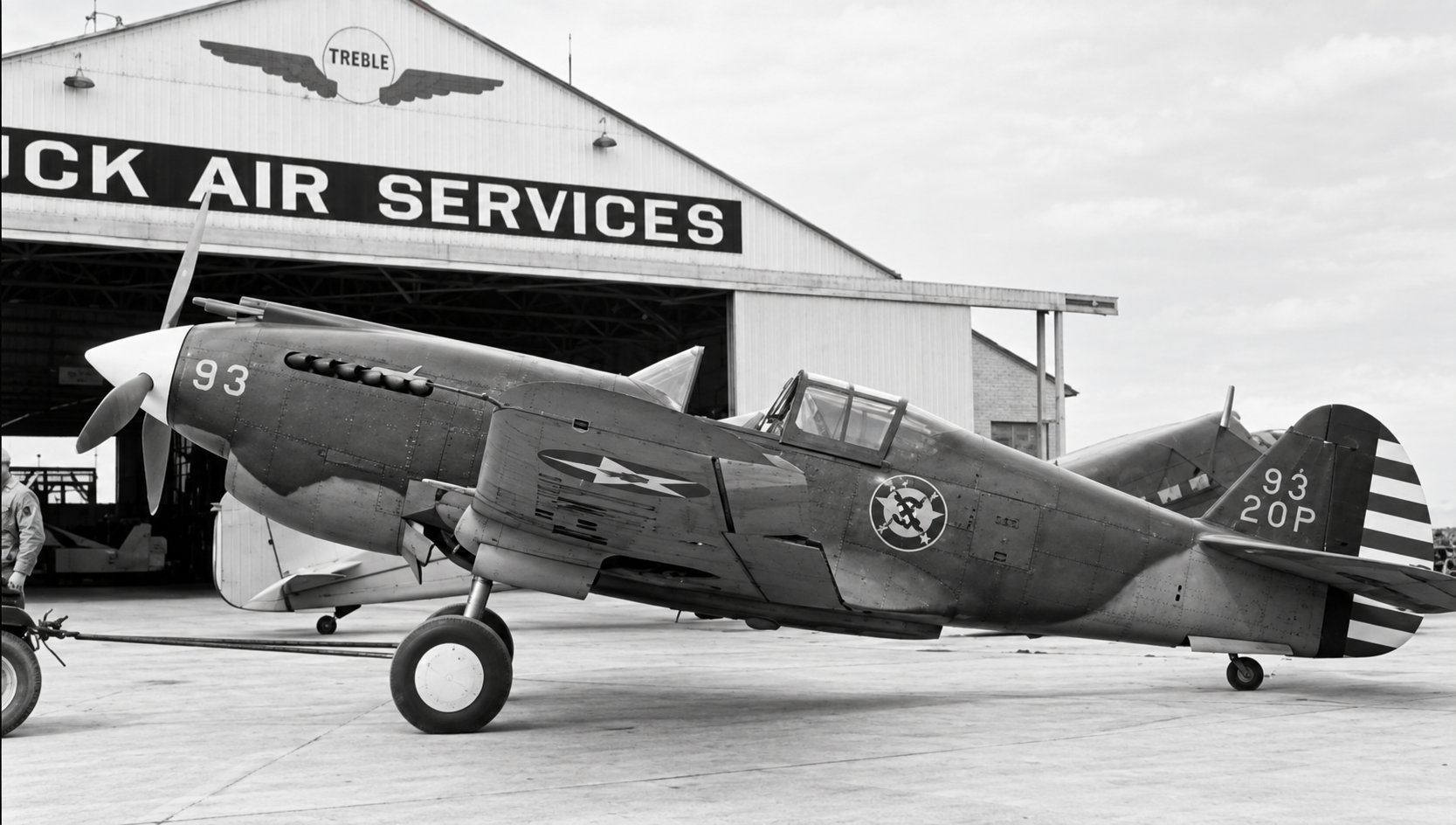
The story begins before the 20th itself was formed. In 1917, as the United States prepared to enter World War I, the 55th, 77th and 79th Aero Squadrons were organized at Kelly Field, Texas. Their early years were marked by rapid changes in organization and designation as American military aviation developed.
The lineage of the 20th began formally on October 18, 1927, when the 20th Balloon Group was authorized as an inactive element of the Army Air Arm. In May 1929, it was redesignated the 20th Pursuit Group and activated at Mather Field, California, on November 15, 1930.
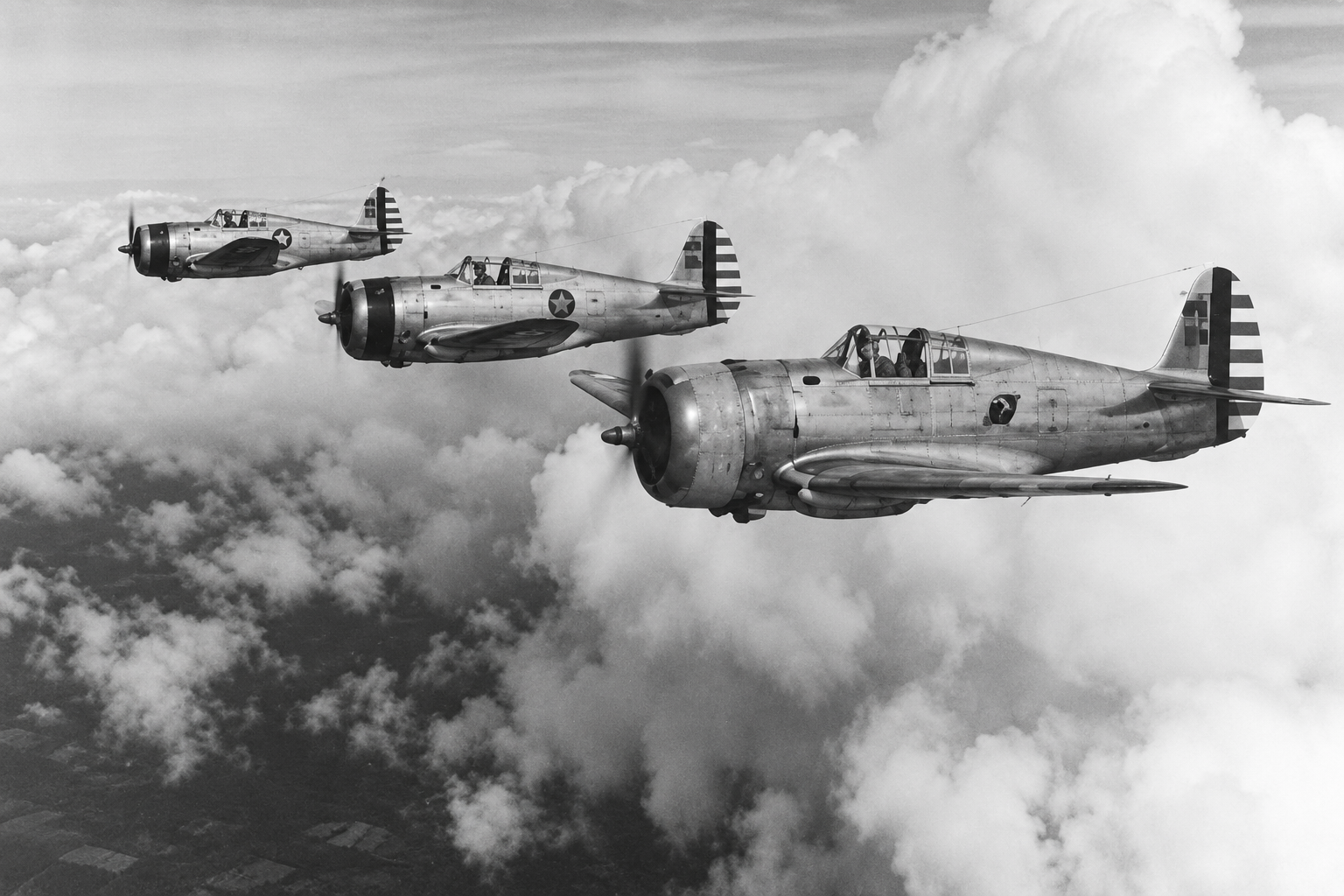
During the 1930s, the group grew in both mission and capability. The 55th and 77th Pursuit Squadrons became central components, the 79th joined in 1933, and the group progressed through several generations of early fighter aircraft as pursuit aviation became a more mature and important part of the Army Air Corps.
World War II
As the United States entered World War II, the 20th Fighter Group moved through a period of intensive training and transition. By early 1943, the group had acquired the P-38 Lightning and began preparing for combat operations overseas.
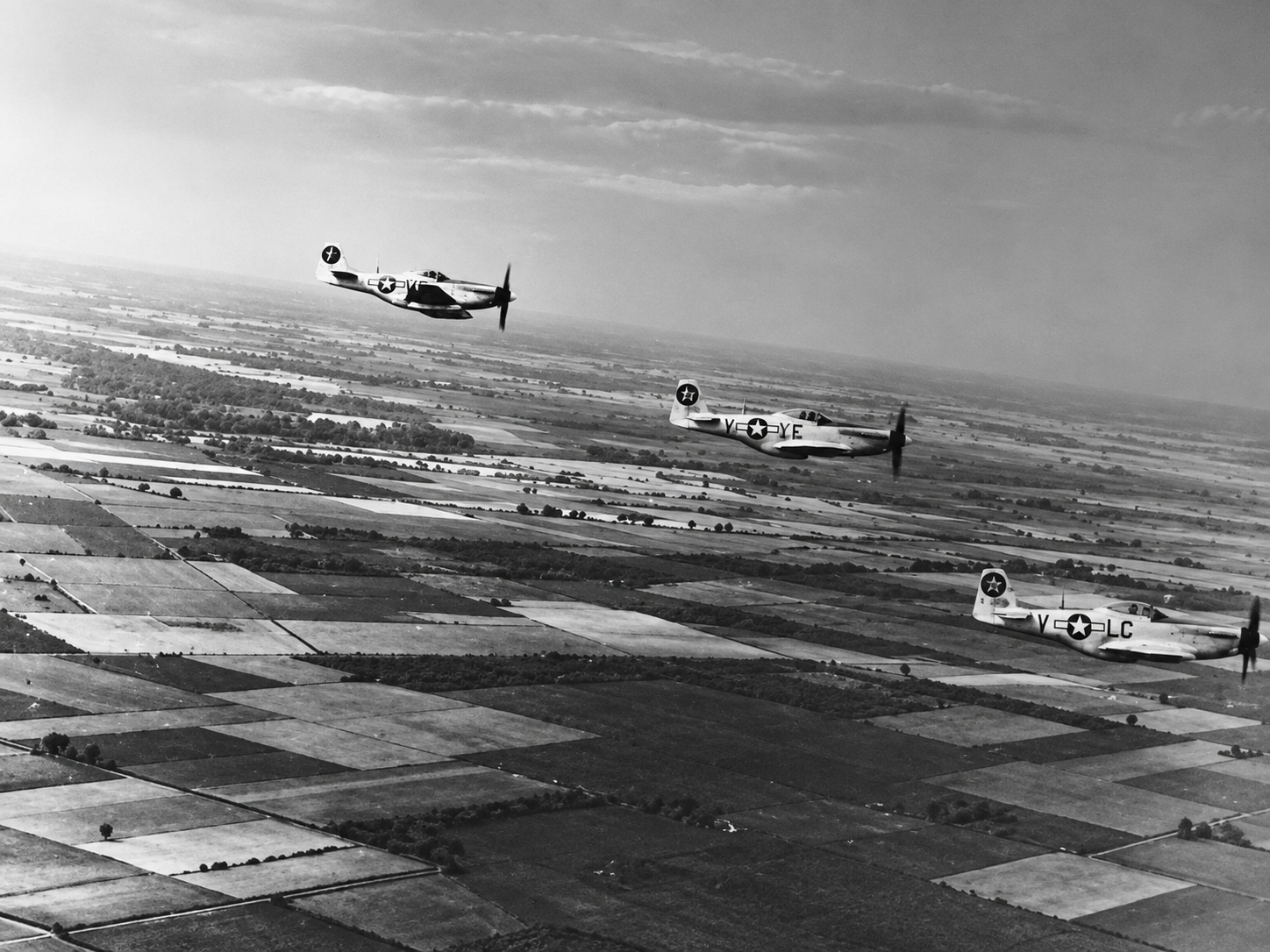
In August 1943, personnel of the 20th crossed the Atlantic aboard the RMS Queen Elizabeth and made their way to King's Cliffe, England. Assigned to the Eighth Air Force, the group flew long-range bomber escort missions deep into occupied Europe and Germany.
The 20th earned a distinguished combat record in both air-to-air and ground attack missions. Its pilots became known as the “Loco Boys” for their attacks on enemy railways and locomotives. In July 1944, the group transitioned from the P-38 to the P-51 Mustang, extending its range and effectiveness through the final months of the war.
Cold War & The Upper Heyford Years
The Cold War brought decades of demanding operations across Europe. In 1958, the 20th Tactical Fighter Wing established its full-time nuclear alert capability, later known as Victor Alert, a mission it would maintain until 1986.
The wing also became deeply involved in NATO operations. In 1961, the 79th Tactical Fighter Squadron sponsored the first NATO Tiger Meet at RAF Woodbridge, beginning a tradition that would become internationally known.
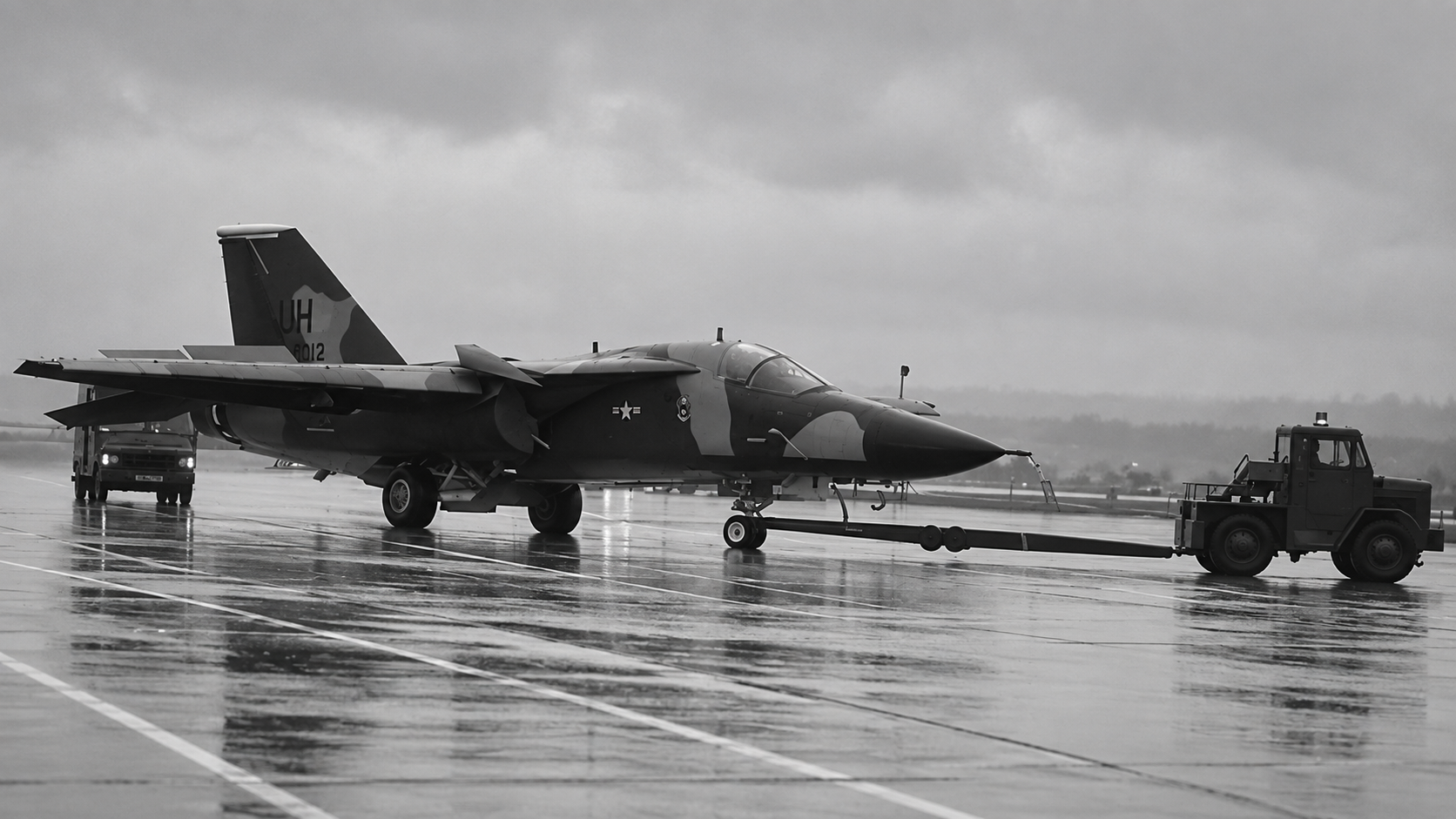
A major new chapter began in 1970 when the wing relocated from RAF Wethersfield to RAF Upper Heyford. That same year, the first F-111E Aardvarks arrived, beginning more than two decades of F-111 operations from the base.
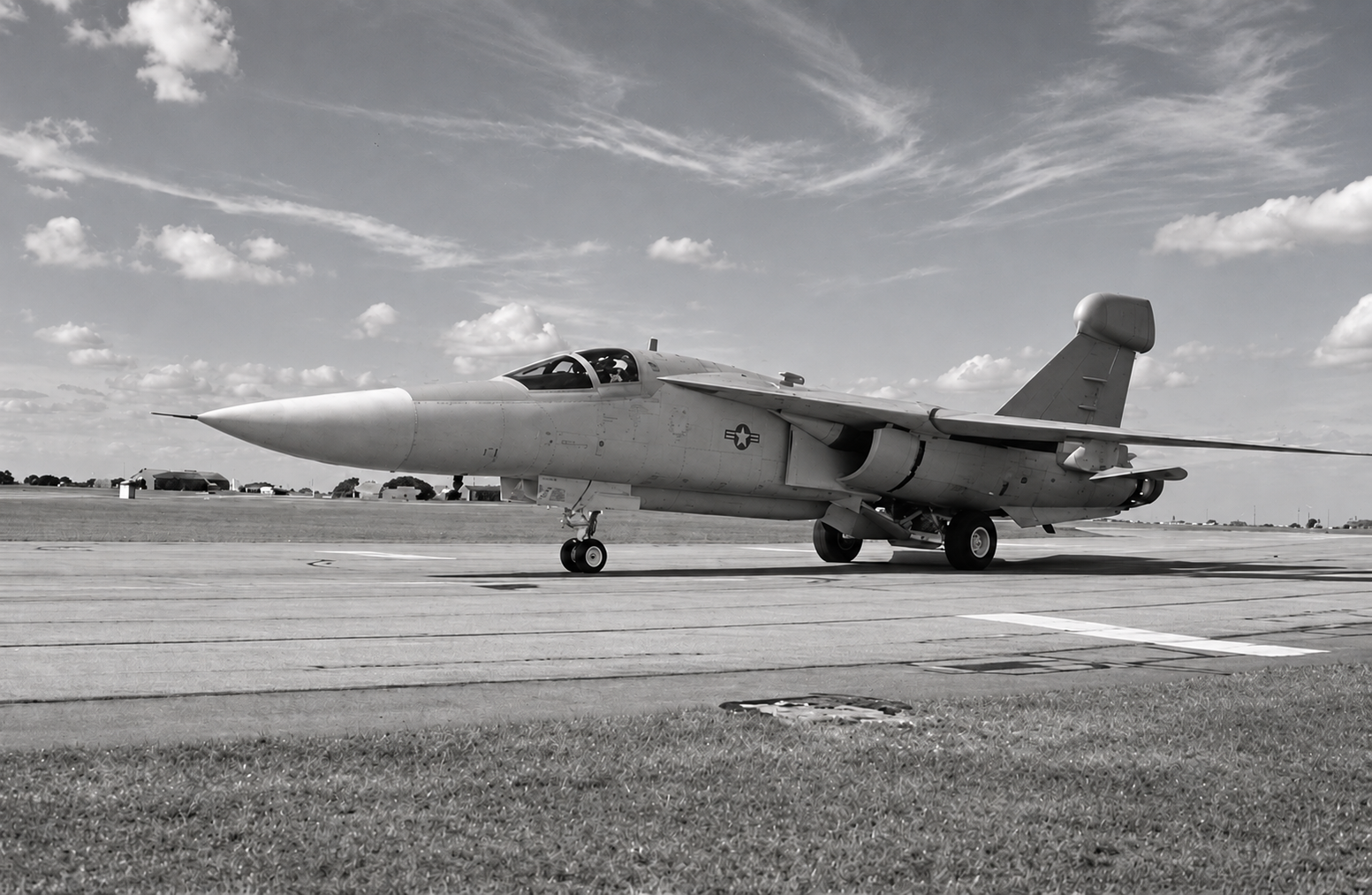
During the 1980s, the wing's role expanded again with the arrival of EF-111A Ravens. Operations such as Ghost Rider in 1985 and support for Operation El Dorado Canyon in 1986 demonstrated the reach and capabilities of the 20th during the final years of the Cold War.
Desert Storm & Farewell to Upper Heyford
In August 1990, aircraft of the 20th Tactical Fighter Wing were already deployed to Incirlik Air Base, Turkey, when Iraq invaded Kuwait and Operation Desert Shield began. As preparations for war intensified, additional aircraft and personnel were deployed to the region.
Combat operations began on January 17, 1991. F-111Es of the 20th flew missions from Turkey, while EF-111As provided electronic warfare support to coalition forces. By the end of Desert Storm, the wing had flown 1,798 combat sorties without a loss.
Later that year, another important change arrived. On October 1, 1991, the unit officially regained the name 20th Fighter Wing, along with the 55th, 77th and 79th Fighter Squadrons.
The following years brought the end of an era. During 1993, the fighter squadrons gradually ceased operations at RAF Upper Heyford, and the wing completed its final operational deployment from the base. By December, the last F-111Es had departed and more than four decades of 20th Fighter Wing history in England were drawing to a close.
Return to Shaw & Continuing the Legacy
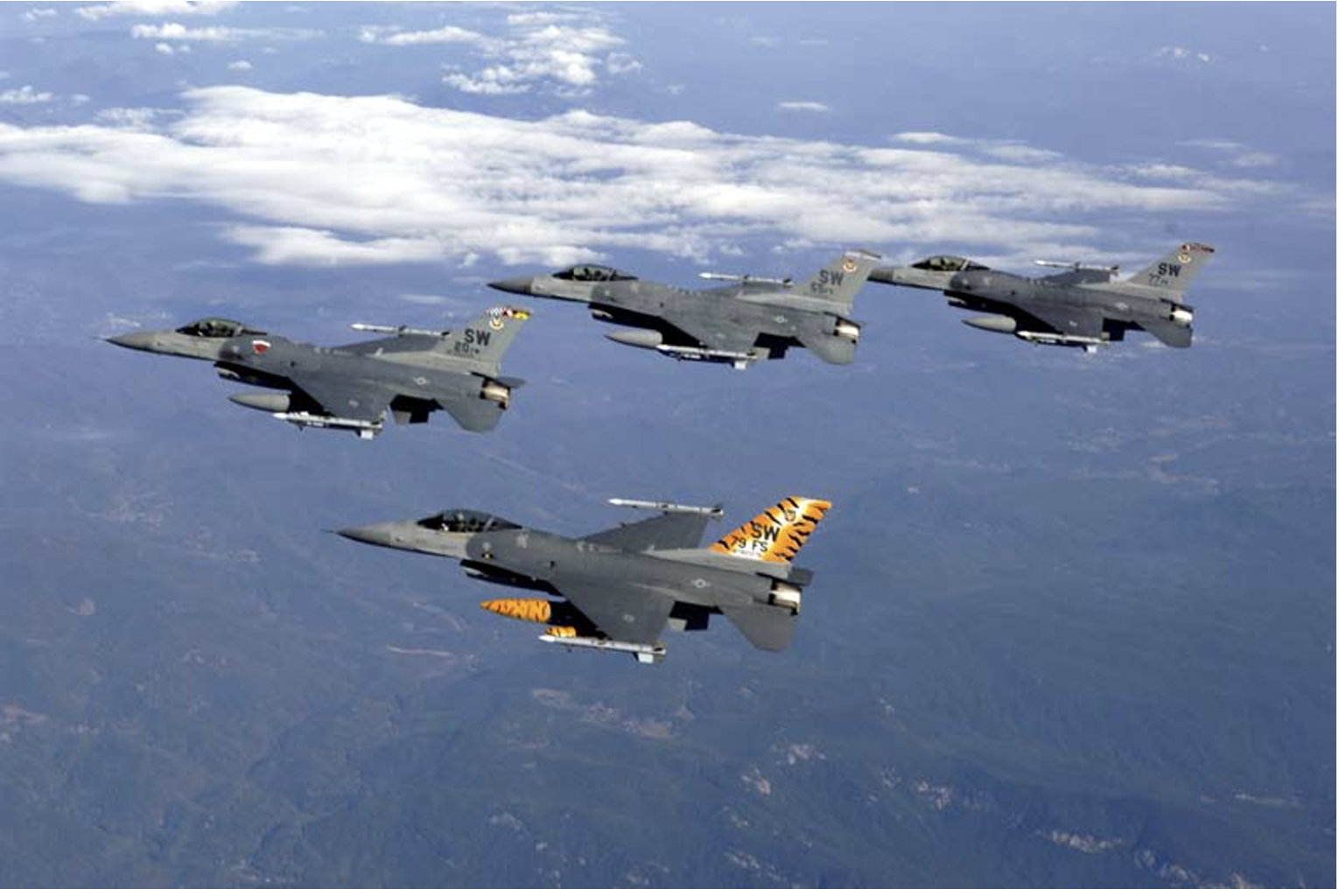
On January 1, 1994, the 20th Fighter Wing began a new chapter at Shaw Air Force Base, South Carolina. The 55th, 77th and 79th Fighter Squadrons were reactivated as the wing transitioned from its long European history to a new generation of operations in the United States.
The F-16 Fighting Falcon became central to this new era. The 77th and 79th operated F-16CJs at Shaw, while the 55th received the F-16CJ in 1996, continuing the traditions of squadrons whose histories stretched back through generations of 20th service.
The wing continued to answer operational demands around the world. In 2011, the 77th Fighter Squadron deployed to Aviano Air Base, Italy, in support of Operation Unified Protector. The 55th later relieved the 77th and continued operations through the end of the mission.
From its earliest pursuit squadrons to modern F-16 operations, the story recorded in this history reflects generations of Airmen carrying forward the same tradition expressed in the wing's enduring motto: Victory by Valor.